Handheld Steamer For Cleaning Explained: A UK Buyer's Guide
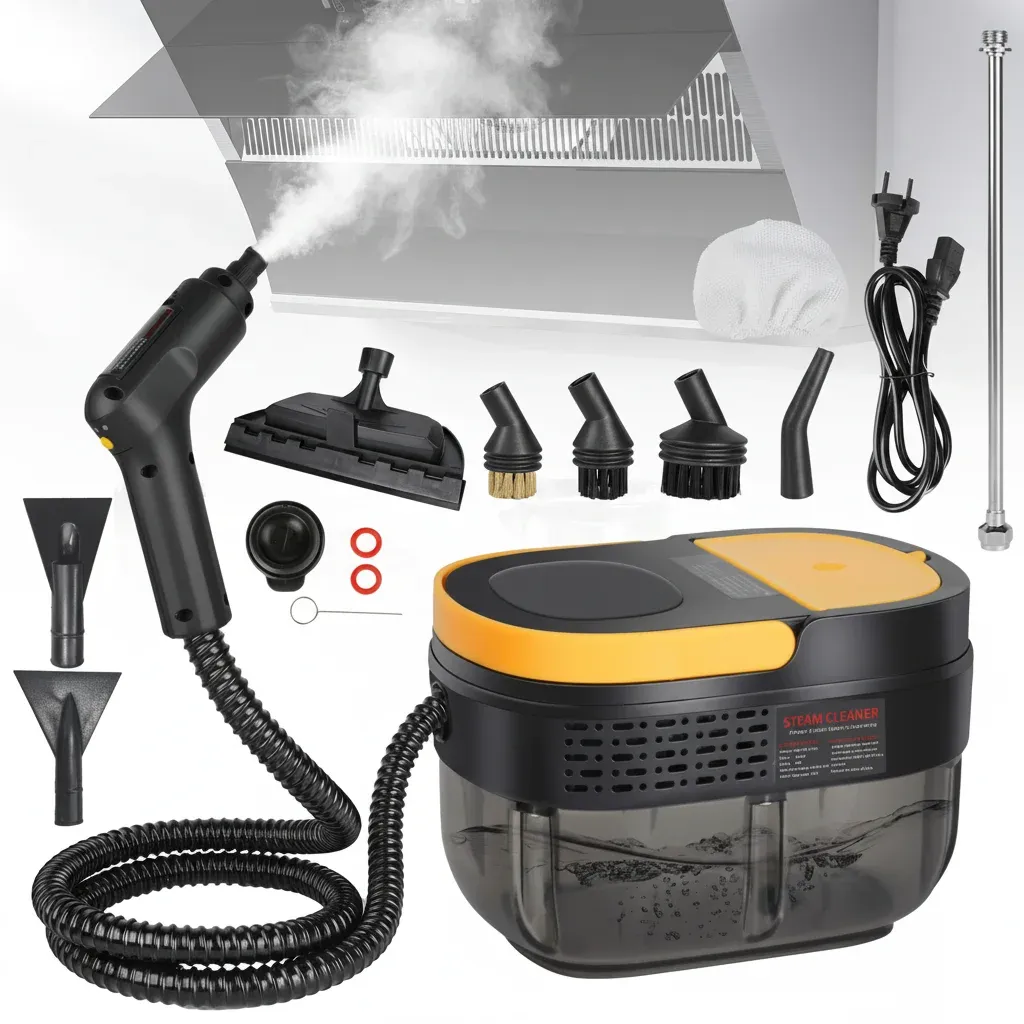
British households are undergoing a quiet revolution in how they maintain hygiene. As we move away from the pungent scent of bleach and the endless cycle of single-use plastic wipes, the handheld steamer for cleaning has emerged as the most versatile tool in the modern cleaning cupboard. Whether you are tackling limescale in a hard-water area like London or refreshing upholstery in a damp-prone terrace house, understanding the mechanics of steam is essential for an efficient home.
Key Takeaways
- Efficiency: Handheld steamers reach temperatures of 100°C+, killing 99.9% of bacteria and viruses without chemical residues.
- Speed: Premium models like the Steamio heat up in just 15 seconds, significantly reducing cleaning time compared to traditional mops.
- Versatility: These devices transition from kitchen degreasing to car detailing and sofa sanitisation with a simple nozzle change.
- Cost-Effective: Eliminates the need for expensive chemical detergents, using only tap water (or distilled water in hard water regions).
The Science of Steam: Why It Outperforms Chemicals
A handheld steamer for cleaning works by heating water to its boiling point and forcing it through a narrow nozzle as pressurised vapour. This "dry steam" contains very little moisture but carries immense thermal energy. When this energy hits a surface, it weakens the physical bonds holding dirt, grease, and grime in place.
In the UK, where the NHS highlights that millions suffer from asthma and environmental allergies, steam cleaning offers a clinical advantage. Dust mites and mould spores—common triggers in British homes—are neutralised instantly by temperatures exceeding 60°C. By using a steamer, you achieve a level of sanitisation that chemical sprays often miss, particularly in porous surfaces like grout or fabric.
Eliminating the "Chemical Cocktail"
Traditional cleaning often involves a cocktail of surfactants and fragrances. While these might make a room "smell" clean, they often leave behind a sticky residue that actually attracts more dust over time. A handheld steamer leaves nothing behind but a clean surface. This is particularly vital for households with pets or toddlers who spend time on the floor.
What to Look for in a Handheld Steamer for Cleaning
Not all steamers are engineered equally. When browsing the UK market, you will encounter a vast range of specifications. To ensure you aren't left waiting for a lukewarm trickle of water, pay attention to these three technical pillars.
1. Heat-Up Time and Pressure
The primary frustration with entry-level steamers is the "wait time." Many older models require three to five minutes to pressurise. Modern engineering has narrowed this window significantly. The Steamio handheld unit, for instance, achieves operational temperature in 15 seconds. This allows for "point-and-go" cleaning, making it feasible to use for small spills rather than just deep-clean Sundays.
2. Bar Pressure Rating
Press measured in "bars." A handheld steamer for cleaning typically ranges between 3 and 4.5 bars. Higher pressure ensures the steam can penetrate deep into window tracks, radiator fins, and car engine bays. Without sufficient pressure, the steam is merely a surface mist that fails to dislodge stubborn debris.
3. Tank Capacity vs. Portability
There is always a trade-off between how long the device runs and how heavy it is to hold. A 250ml to 350ml tank is the "sweet spot" for UK users. It provides enough steam for 10-12 minutes of continuous use—sufficient for a bathroom or a set of car seats—without causing wrist fatigue. For larger jobs, you might consider how it fits into a broader strategy, which you can explore in The Ultimate Guide to Best Steam Cleaner in the UK.
Versatility in the British Home: Beyond the Kitchen
While many buy a handheld steamer for cleaning oven doors, its utility extends into every room. In the UK, our homes often face specific challenges like high humidity and compact living spaces where clutter can accumulate dust.
Revitalising Soft Furnishings
Upholstery is a magnet for allergens. Using a steamer on your settee doesn't just remove surface marks; it penetrates the fibres to deodorise and sanitise. Because the moisture content is low, the fabric dries in a fraction of the time compared to traditional wet-vac systems. For a deeper dive into this specific application, see our guide on Steam Cleaner For Sofa Explained.
The Battle Against Limescale
According to data from Thames Water, over 60% of the UK has hard or very hard water. This leads to rapid limescale build-up on taps and showerheads. High-pressure steam softens these mineral deposits, allowing them to be wiped away without the need for abrasive scrubbing that can scratch chrome finishes.
Vehicle Detailing
Handheld steamers are a favourite among UK car enthusiasts. They are perfect for cleaning alloy wheels, removing salt from floor mats after a British winter, and sanitising air conditioning vents where bacteria can breed and cause musty odours.
Comparing Handheld Steamers to High Street Alternatives
Many consumers initially look toward big-name retailers when searching for a handheld steamer for cleaning. While these stores offer accessibility, the technical specifications often lag behind specialist brands. For instance, many budget models found on the high street utilise older boiler technology that requires longer cool-down periods before refilling—a significant safety concern and time-sink.
If you are considering a purchase from a major retailer, it is worth reading our breakdown of the Argos Steam Cleaner range to see how they compare to professional-grade handheld units in terms of bar pressure and accessory bundles.
Maintenance and Safety: Protecting Your Investment
To ensure your steamer lasts for years, maintenance is non-negotiable, especially in the UK’s hard water zones. Mineral build-up can clog the internal heating element, reducing pressure over time.
- Descaling: If you live in a hard water area, use a 50/50 mix of distilled water and tap water, or run a descaling solution through the device once a month.
- Safety Valves: Ensure your device has a safety lock or pressure-release valve. Steam is invisible at the point of exit and can cause severe burns if handled incorrectly.
- UK Regulations: Always check for the UKCA or CE mark to ensure the device meets British safety standards for pressurised vessels.
"Steam cleaning is not just about aesthetics; it is about creating a baseline of hygiene that chemical cleaners cannot reach. By hitting 100°C, you are effectively pasteurising your home surfaces."
Is a Handheld Steamer Right for You?
If you live in a flat or a smaller home where storage is at a premium, a handheld steamer for cleaning is often a better choice than a bulky canister model. It provides 90% of the functionality at a fraction of the size. It is the ideal tool for those who prioritises speed—those who want to clean the hob after dinner or sanitise the bathroom sink in seconds rather than minutes.
For those with large open-plan tiled floors, you may find that a handheld unit works best as a companion to a steam mop. You can find more information on choosing the right format in our pillar article, The Ultimate Guide to Best Steam Cleaner in the UK.
Experience the Power of Steamio
Stop scrubbing and start steaming. The Steamio Handheld Steam Cleaner is designed for the British home—compact, powerful, and ready in just 15 seconds. Clean your floors, sofas, and car without a single drop of harsh chemicals.
Join thousands of UK households who have cut their cleaning time in half.
Shop Steamio NowFrequently Asked Questions
Can I use a handheld steamer on my sofa?
Yes, handheld steamers are excellent for sofas. They kill bacteria and dust mites while lifting surface stains. However, always check the care label on your furniture. Most synthetic and cotton-blend fabrics are fine, but delicate materials like silk or certain leathers should be avoided. Use a microfiber cloth attachment for the best results.
Do I need to use distilled water?
While most modern steamers like the Steamio can handle tap water, using distilled or deionised water will significantly extend the life of your machine, particularly if you live in a hard water area like the South East of England. This prevents limescale from blocking the internal pipes.
Is steam cleaning safe for all floor types?
Handheld steamers are perfect for sealed tiles, grout, and stone. You should exercise caution on unsealed wood or laminate floors, as excessive moisture can cause the wood to swell. Always use the lowest steam setting and keep the nozzle moving to prevent heat concentration.
How does steam kill bacteria?
Bacteria and viruses are held together by proteins and fats. The intense heat of the steam (100°C+) denatures these proteins and melts the fats, effectively destroying the pathogen's structure. This is a physical process, meaning bacteria cannot develop "resistance" to it like they can with some chemical cleaners.
Ready to transform your home with Steamio?
Get Free UK Delivery — £149.89